 Biblical reform must continue.
Proverbs 4:23 warns us:
Above all else, guard your heart;
For it is the source of life.
Solomon continues in verses 24-27, referring to the actions of the mouth and lips, the eyes and the feet, warning of how easily they can fall into sin.
Jeremiah 17:9 warns us of how deceitful the human heart is. The lives of David and Solomon (and many other men in biblical stories) show us how easy it is to stray onto non-biblical paths.
In Exodus 32, we read the tragic example of the children of Israel. After God had accomplished the miraculous deliverance from Egyptian slavery, even while God was giving His law to Moses on Mount Sinai, they soon turned back to worship idols.
Not only did Aaron, the leader, accede to the desires of the people, but he also proclaimed a feast to the Lord (Exodus 32:5). Not only were sacrifices offered to an idol, but the people, after the feast, rose up to rejoice, or to amuse themselves (Exodus 32:6). This amusement included singing (Exodus 32:18) and dancing (Exodus 32:19).
Was this festive celebration pleasing to the Lord, in whose name it was carried out? Absolutely not!
Why not? Exodus 32:8 summarizes it for us this way:
Pronto se han apartado del camino que yo les mandé;
El pueblo llamado por Dios había “reformado” sus caminos en la dirección equivocada, apartándose de la Palabra de Dios, yendo en pos de sus propios deseos y elecciones.
Ahora necesitaban una reforma verdaderamente bíblica, una reforma como la del Salmo 119:59-60. Necesitaban considerar sus caminos y volver sus pies a los testimonios de Dios, para guardar Sus mandamientos.
The word “soon” is particularly relevant here. In Exodus 32:8, God says to Moses:
Pronto se han apartado del camino que yo les mandé.
De manera similar, leemos en Gálatas 1:6 que Pablo más tarde se maravilló de que las iglesias de Galacia se hubieran alejado tan pronto del Evangelio.
The deceptive tendency of the human heart to turn away from the Word of God is both astonishing and dangerous, even in those who have been saved from their sins through repentance and faith alone in Christ.
Christians eagerly await the final purification from sin in heaven; but, as long as we live on this earth, we must continually engage in biblical reform, both individually and collectively.
This has been true for the church of Christ throughout the centuries. Biblical reform must continue until Christ returns. At no point can the church stop and say, “We have made it. We have arrived. We don’t need to go any further.”
En cierto sentido, todos los cristianos y todas las iglesias, en todas las épocas, deben esforzarse por obedecer todo lo que Cristo ha ordenado, como leemos en Mateo 28:20.
También es cierto que hay áreas específicas de debilidad que requieren una atención especial en un momento y lugar determinados. En el siglo XVI, era necesario recuperar y proclamar algunas de las doctrinas fundamentales del Evangelio. En otros momentos, una ortodoxia muerta y un formalismo eran un mal particularmente prevalente que debía contrarrestarse.
Durante el siglo XX, un popular liberalismo religioso y el “modernismo” negaban que Cristo fuera verdaderamente Dios y negaban los milagros de la Biblia. Mientras tanto, muchas iglesias evangélicas, aunque se resistían enérgicamente al liberalismo religioso, cayeron en una perspectiva centrada en el hombre en lo referente a la salvación. Sutiles influencias como la de la “fe fácil” y el pragmatismo se infiltraron en el contenido de muchos ministerios de enseñanza y predicación; y diversas tradiciones evangélicas extrabíblicas se convirtieron en la norma en muchas iglesias.
During recent decades, God has led many to rediscover, and even embrace, some of the main God-centered biblical perspectives recognized by the Protestant reformers and the Puritans, perspectives that we often identify as the doctrines of grace.
However, an intellectual acceptance of these God-centered doctrines that are biblically accurate, as well as their vigorous and unashamed proclamation, do not by themselves guarantee an understanding of the implications of such doctrines, since they must affect the heart and conduct.
Moreover, emphasizing emotions (perhaps in a sincere and well-intentioned attempt to counter dead orthodoxy and formalism) is not the same as addressing the heart and conduct biblically.
The heart is much more than mere emotions. Throughout Scripture, God associates truth with the mind, but also issues authoritative commands and instructions to the will, based on that truth. Some have usefully referred to these truths and commands as the indicatives and imperatives of the Gospel.
Often, various emotions accompany an individual’s reception of these indicatives, as well as their obedience to the imperatives. We see this particularly in the Psalms. There we read, in various ways, about sorrow, joy, satisfaction, anger, sadness, hope, discouragement, fear, and trust. The list seems endless.
However, although our reception of the Word of God and our obedience to His commandments may be imbued with appropriate emotions, it is not those emotions that should determine our conduct. God’s truth (the biblical indicatives) and His commandments (the biblical imperatives) must determine our conduct, as well as determine which emotions are appropriate to accompany our understanding of His truth and our obedience to His commandments.
Moreover, emotionalism and formalism are not necessarily mutually exclusive. It is possible to participate in religious events and experiences that have been designed to express and provoke emotions; it is likely to feel and express strong emotions during such events or experiences, without the truth or biblical commandments making a significant impression or having a determining effect on the mind, conscience, or will.
The emotions we have, or the emotions we believe we should come to feel, do not determine which truth we must believe, nor what our conduct should be.
In Exodus 32:1-6, the children of Israel evidently became impatient and anxious while waiting for Moses’ return. They considered his delay to be excessive. Their complaints, along with their conduct in response to this delay, suggest that they were bored and craving excitement.
Regardless of how we describe their emotions, their subsequent actions demonstrate that they wanted to engage in worship that included religious ceremonies (sacrifices), along with feasting, singing, and dancing. They wanted a religious celebration. Their emotions (or the emotions they sought to inspire) and their desires determined their actions.
Aaron allowed their emotions and desires to determine his own conduct as their supposed leader by establishing what he called a feast to the Lord (Exodus 32:5). However, this feast did not please the One to whom it was nominally dedicated.
Dios acusó al pueblo de corrupción (Éxodo 32:7). Definió o describió su corrupción como apartarse del camino que Él les había mandado (Éxodo 32:8). Sus mandamientos deberían haber controlado su entendimiento, su comportamiento y también sus emociones y deseos. En cambio, sus emociones y deseos controlaron su comportamiento y, en particular, su forma de ofrecer adoración profesada a Jehová, el Señor.
Si alguna iglesia quiere glorificar a Dios en esta generación, cumplir su función como columna y baluarte de la verdad, y ser un instrumento poderoso en las manos de Dios para establecer y mantener la verdadera religión de Dios en la tierra, cada uno de sus miembros debe participar en la obra de reformar su vida personal, familiar y eclesiástica de acuerdo con la Palabra de Dios.
Debemos considerar si estamos socavando o negando la verdad, o algún aspecto de ella, no sólo con lo que decimos, sino también con lo que hacemos.
If, by faithfully studying and applying the Word of God, we discover that we have strayed from some aspect of the truth, or from obedience to some commandment, we must return to the path indicated by the Word of God. We must engage in the work of biblical reform.
Biblical reform in the church will lead us to change worship services that have many songs but little preaching; much emotion, but little teaching of the truth. Instead, we must have worship services in which God is worshiped as He commands in His Word, and in which God is the focus of attention: we focus on God, on His glory, on His person, on His works, on His commandments.
We need a faithful ministry that leads us to bow before God in search of mercy through Christ, and that teaches us the biblical way to live so as to please Him.
The fact that we have been enabled to carry out reform in a certain area does not mean it will be easy to maintain. It will require constant spiritual vigilance. It will cost tears and prayers, suffering and sacrifice.
It may cost us friends and popularity. It is unlikely that we will attract crowds of members and visitors to our churches. However, when lives are reformed according to the Word of God, by the power of the Holy Spirit, we will not only be able to please and glorify God: the people around us will be able to see the power of the Gospel. It will be evident that this is not a game: it is a reality. Christ truly saves.
The Gospel is the power of God (Romans 1:16) to save souls; and, when we take it seriously and apply it to ourselves and to our church life, we are showing the world that this is true.
Adapted from a sermon preached by Pastor Eugenio Piñero at the Reformed Baptist Church of North Bergen, New Jersey. The biblical citations are from the Authorized Version, with added emphasis.
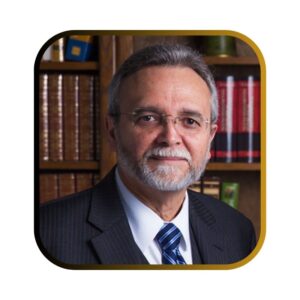
Eugenio Piñero se graduó de Northeastern Bible College en Essex Fells, Nueva Jersey (EUA), en el año 1976. Durante sus estudios conoció la Iglesia Trinity Baptist Church de Essex Fells (luego Montville), Nueva Jersey, de la que más tarde pasó a ser miembro. En octubre de 1977 fue llamado para servir como pastor de la Primera Iglesia Bautista de Hoboken, NJ, ahora conocida como Iglesia Bautista Reformada de North Bergen.
I considered my ways, and turned my feet to Your testimonies. I hastened and did not delay to keep Your commandments. Psalm 119:59-60